Ducted Heating and Cooling: The Comfort Solution for Your Home
- Written by Daily Sun
Living a comfortable life is something everyone is striving for and your home must be your safe space. The climate is unpredictable and having a stable system here in homes is needed. The ducted heating system is viable and optional but mostly opted for too. This way you are saving yourself from the year-round issues. The heating and cooling happen in a precise and better solution. A persistent temperature is required and the installation of this kind of air conditioning is doing the job.
Temperature upheld with AC Fitting
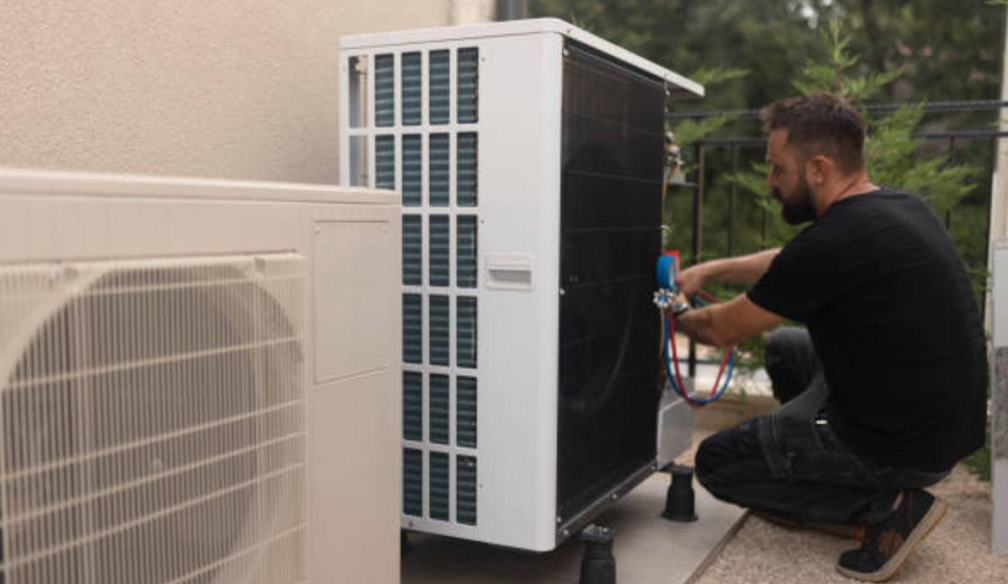
The weather keeps on fluctuating and when you go for one wiser solution this is it. The ducted heating and cooling system is an option for people in Melbourne and the rest of Australia. The system is installed in your residence. The ducted heating and cooling Melbourne is installed and then this controls the temperature of different rooms in a well-versed way. The main unit will sit on the outside rooftop and then the ducts will be hidden inside the ceiling. The floors, ceilings and other spaces hide the ducts that will be distributing air. Then a smart unit called a thermostat regulates the temperature. It schedules and distributes the air and maintains the temperature. It's simple, schemed and functioning with a ducted heating and cooling system that is easy to crack. You need cooling and heating year-round, so why install separate systems for them? To save money go with the popular choice and choose the best solution for you that is budget-friendly. These must be popular, universal and top-rated choices of homeowners.
Profits to Go with Popular Choice of Ducted AC
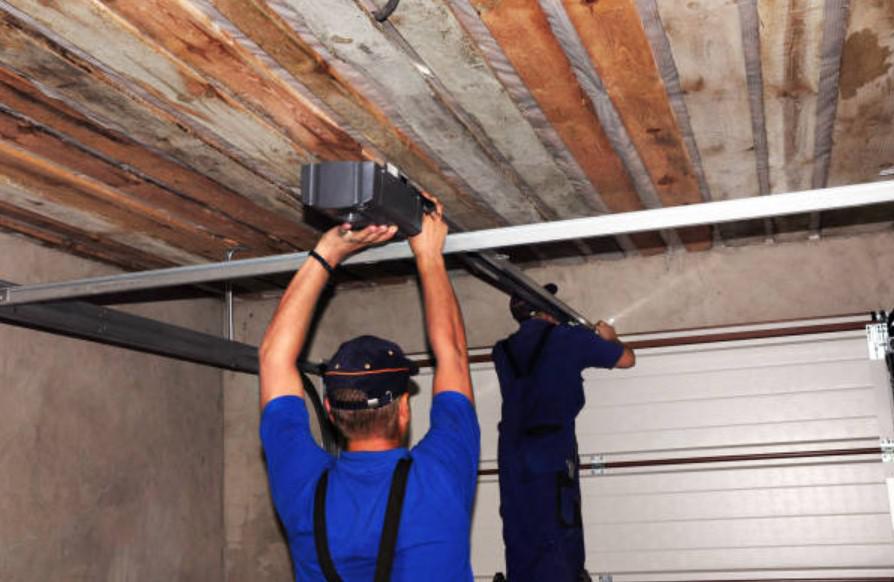
There is aid and assistance for ducted heating and cooling Melbourne installations. There could be scorching summers and very chilly winters. One cannot invest every year, and to get year-round benefits there are factors. This way you can survive temperature irregularities in your home. Your home and people will enjoy a stable set temperature. If it's chilly outside or the heat is fiery, this is not a theme since you are analgesic and well hidden. But this saves you in zoning capabilities way. This way the space is quiet, cosy, and relaxing at your home. The proper installation of this system is important and consulting with professionals is advised. He will check and access the size and calculate the need according to the design and planning of the home. After the laying through of ceilings, walls and floor spaces the installation is done and later comes system testing. We will do the installation, check the airflow, temperature function and testing commissioning.
Homes are superbly hewn, and installing air conditioning or any other structure that is not ducted is unsightly. To save it, an elegant and discreet system that is not visible. These systems are creating and making interior design more appealing and visually beautiful. Unlike other bulky heaters, the venting system is hidden. Most times air conditioning systems work on one temperature and this causes issues with others. The cost is never ideal and keeps on fluctuating depending upon different factors. This is a costly task so a few tips are to clean the filters regularly and have regular inspections by an HVAC professional. The duct sealing so this may not get demanded by any affect can save a lot of money.
These are all necessities, and tips to enjoy a regular ducted system throughout the year. You will be able to control the temperatures of the zones. Temperature settings will be different and in living rooms, kitchens, and mostly in bathrooms, temperature will be according to preferences. What will be the result? This will save bigger budgets and a lot of cost in utility bills. Speed monitors and smart thermostats are installed and so the energy consumption and a reduction in utility bills will happen. Ducted systems operate quietly, and noise levels are controlled.