
The most perfect day: 4 wonderful benefits of a wedding package
- Written by NewsServices.com
Homer Simpson’s classic crooning said it best, “weddings are nice!”. Your special day is sure to be the most amazing imaginable, but there is so much to plan! From the ceremony to reception and all the little details attached to them, planning a wedding can be incredibly daunting!
And that’s why the best gourmet catering Sydney has will also provide stunning wedding packages that allow you, your partner and your loved ones to kick back a bit and leave this stressful sitch to the pros.
From full catering to reception centre, wedding cake and more, here are five reasons why the wedding package is the ideal way to plan (or let the experts plan) your most special day:
-
It saves you the stress of planning it yourself
Pros with years in wedding planning will tell you one thing: planning weddings is not for every couple. Sure, some couples love the idea of hand selecting each of the special day’s minute details, but many couples are already incredibly busy with work and other commitments, and this can make planning a wedding incredibly stressful to the point of near impossibility.
Enter the gilded wedding package, the wedding saviour, the plan in place that makes organising a wedding a breeze. Given that wedding packages pretty much include everything you would have to plan yourself (bar the photographer and a couple of other services), you can be sure that the wedding package will produce an incredible that everyone will look back on with the fondest memories.
-
It includes so many elements
As we previously mentioned, these packages pretty much include everything you need for your special day, ensuring you don’t have to worry about where you will host the reception, who will provide the best gourmet catering Sydney has and what kind of drinks will be available etc…
Top wedding packages include, but are by no means limited to:
-
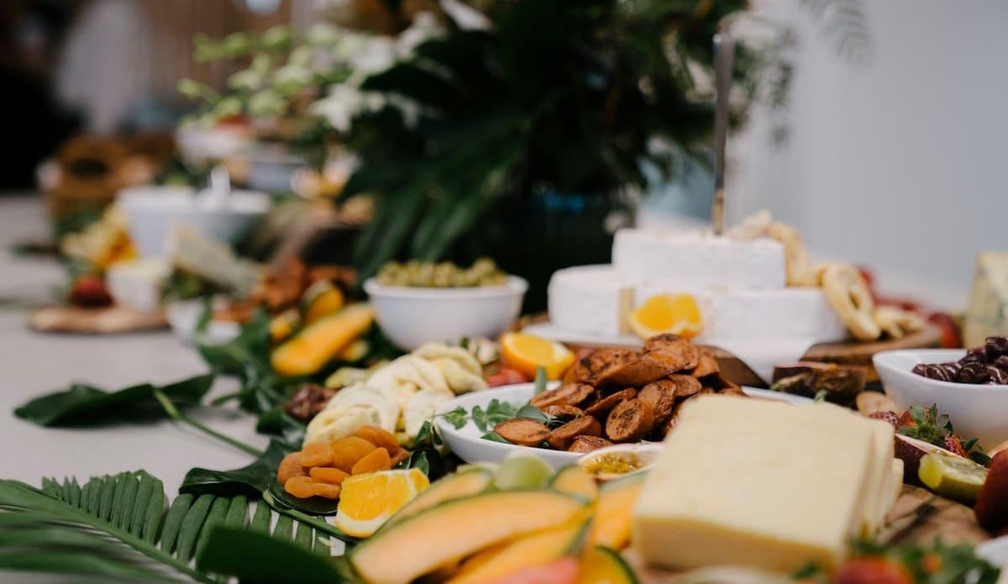
5 star gourmet catering
-
Full drinks package
-
Elegant reception centre
-
Two-tiered wedding cake
-
Separate salon for photography
-
Private room for bridal party
And much, much more! The best wedding package will offer a comprehensive service and one that makes planning your wedding simple and hassle free!
-
It can help you save money
When you select each individual element from different wedding providers, you see how quickly the bill racks up. From reception centre to caterer to baker and literally everything in between and outside these services, choosing each individual part of a wedding can be incredibly expensive.
But not with the legendary wedding package, with most details included and for a consolidated, all-in-one price, it is highly likely that you will save money choosing this service than if you were to choose each aspect individually!
-
You have the help of experienced planners
Unless it’s not your first wedding or you yourself are a wedding planner, chances are you don’t have much experience in planning this most special of days. It’s stressful, it’s daunting and it can be outrageously frustrating.
This is one of the key reasons why couples choose to enlist the services that come with a wedding package, as you will have experienced planners on your side and ready to handle any issues that may arise with planning.
They’ve seen it all, they know what they’re doing and they are there to help you and your loved ones have the most incredible day imaginable!